By Ambrose Gahene
Kampala,Uganda– President Yoweri Kaguta Museveni has stepped in to address the plight of older persons, who face limited medical access due to the inadequate deployment of older person’s medical attendants, commonly known in medical terms as “Geriatricians”.
While speaking at State House, Entebbe on 1st October 2026, during the virtual commemoration of the International Day of Older Persons, President Museveni, proposed that government sponsor, train, and deploy a geriatrician to every district hospital to provide free healthcare for older citizens.
President Museveniemphasized that older people suffer most from health conditions and medical costs, noting that specialized care should be free.
In addition, PresidentMuseveni urged older persons to embrace the Parish Development Model (PDM) for wealth creation, insisting they should be granted loans through PDM circles, even if concerns exist regarding repayment ability due to frailty.
He condemned children who pressure elderly parents to hand over their property and inheritance prematurely, labeling the behavior as indiscipline that should face punishment. He advised families to use modern inheritance methods like distribution by shares rather than destructive land fragmentation.
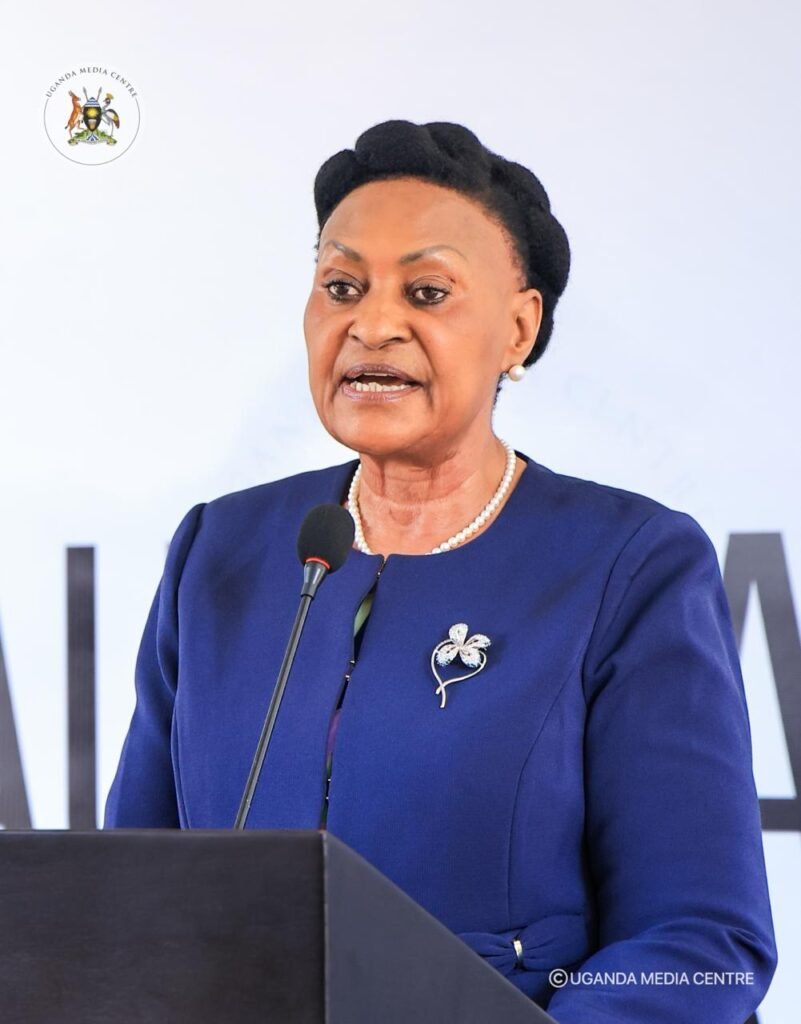
During a media briefing at the Uganda Media Centre, Ms. Jacqueline Mbabazi, the Minister of State for Elderly Persons, in the Ministry of Gender, Labor and Social Development, said In terms of deployment, there are inadequate geriatricians to handle sick old persons in the country.
“We have only one Geriatrician and four Social Gerontologists in Government to serve the 2.6 million Older Persons. We need at least all regional referral hospitals staffed with a geriatrician, and all districts having a social gerontologist, to guarantee professional care and support systems for Older Persons”, she said.
Ms. Mbabazi said according to the 2024 census report, a total of 1.64 million households were headed by Older Persons.
“In terms of access to formal social security, only about 7 percent of Ugandans have access to formal social security. The majority of Older Persons in the countryside are in the informal sector”, she added.
“About 99 percent of households of Older Persons lack friendly sanitation facilities (latrines). They use squat-pit latrines instead of sit-latrines that are appropriate to their slightly weak muscles and bones”, she added.
She said 95.5 percent of older persons have no health insurance of any kind, yet ill health is a major challenge among older persons. For instance, under SAGE, beneficiaries spend more than 30 percent of their allowance on health.
“The out of pocket health spending is almost three times more for Older Persons compared to the general population”, she further pointed out.
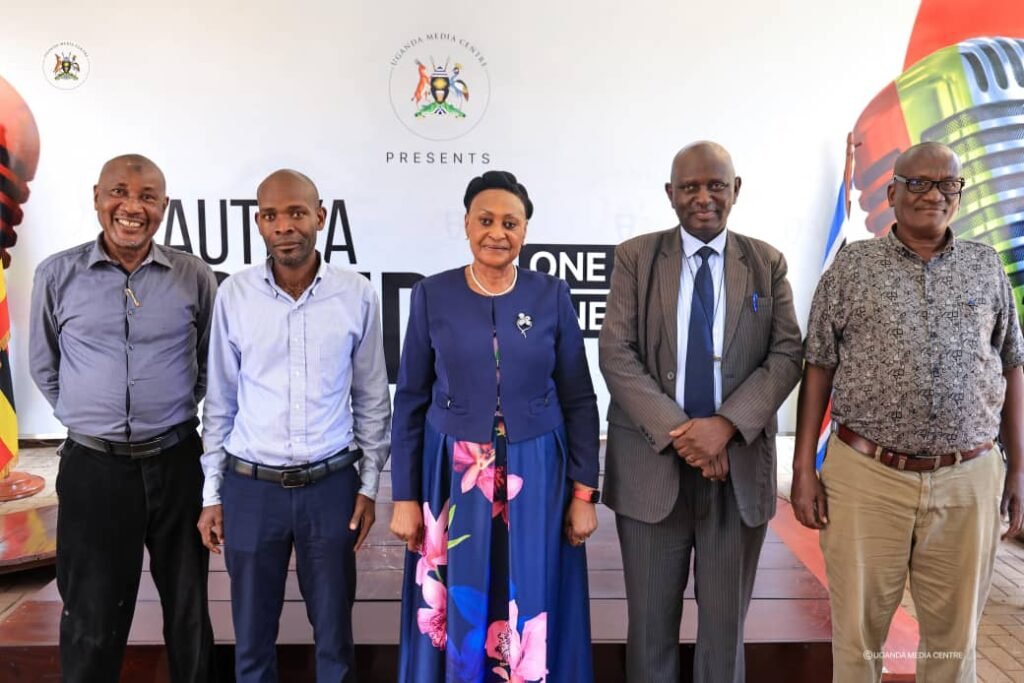
The above scenarios partly explain why this year (2026), Uganda chose to commemorate the Day under the theme: “Ageing with Dignity: Strengthening Care and Support Systems.”
“We are emphasizing the urgency for longevity associated with dignity, security, good health and meaningful participation in society”, Ms. Mbabazi noted.
According to the 2024 Census report, approximately 2.3 million Ugandans are aged 60 years and above (5 percent of the population), and this was projected to be 2.6 million by mid-2026. The numbers are expected to grow rapidly and this calls for strengthened care systems.
On 18th August 2026, Parliament moved a motion urging the Government to expand specialized healthcare and social protection for older persons.
Hon. Asha Nabulo Mafabi, Sironko District Woman Member of Parliament (NRM), urged the Government to improve access to geriatric healthcare and strengthen social protection for older persons.
Members of parliament said Uganda’s ageing population faces rising medical costs, limited access to geriatric services and inadequate financial support.
Parliament wants the Government to review the senior citizens grant under the Social Assistance Grants for Empowerment (SAGE).