By Ambrose Gahene
The 2nd International Curriculum Development Conference stakeholders have recommended that learners at all levels, should strive to meet the needs of employers.
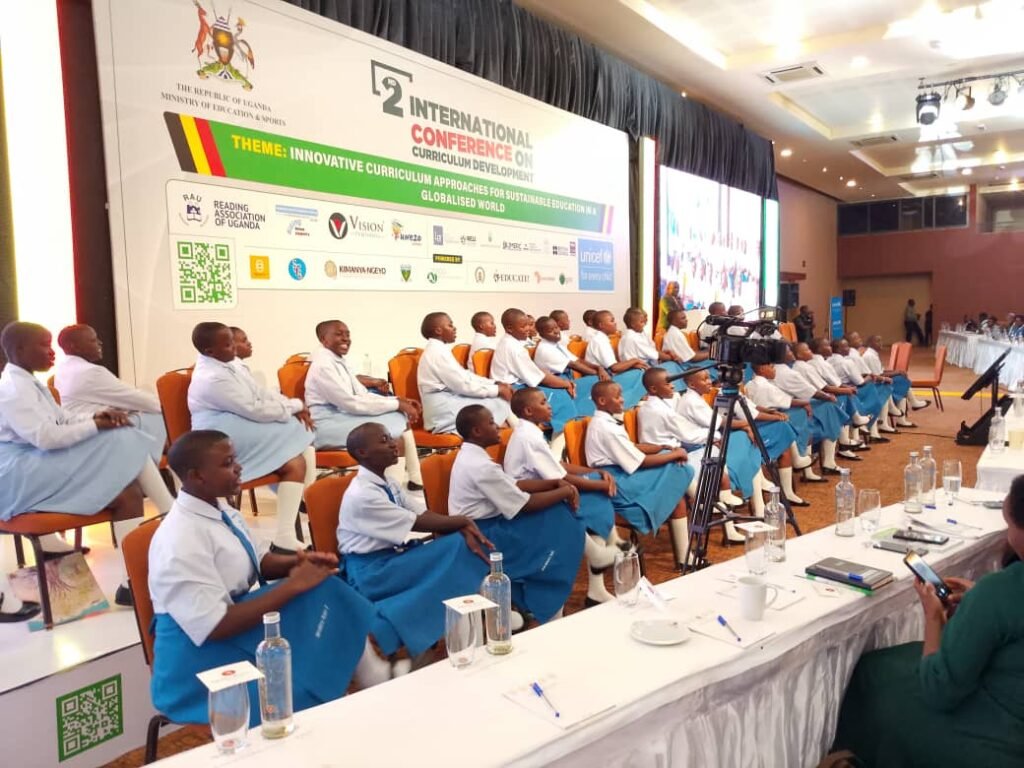
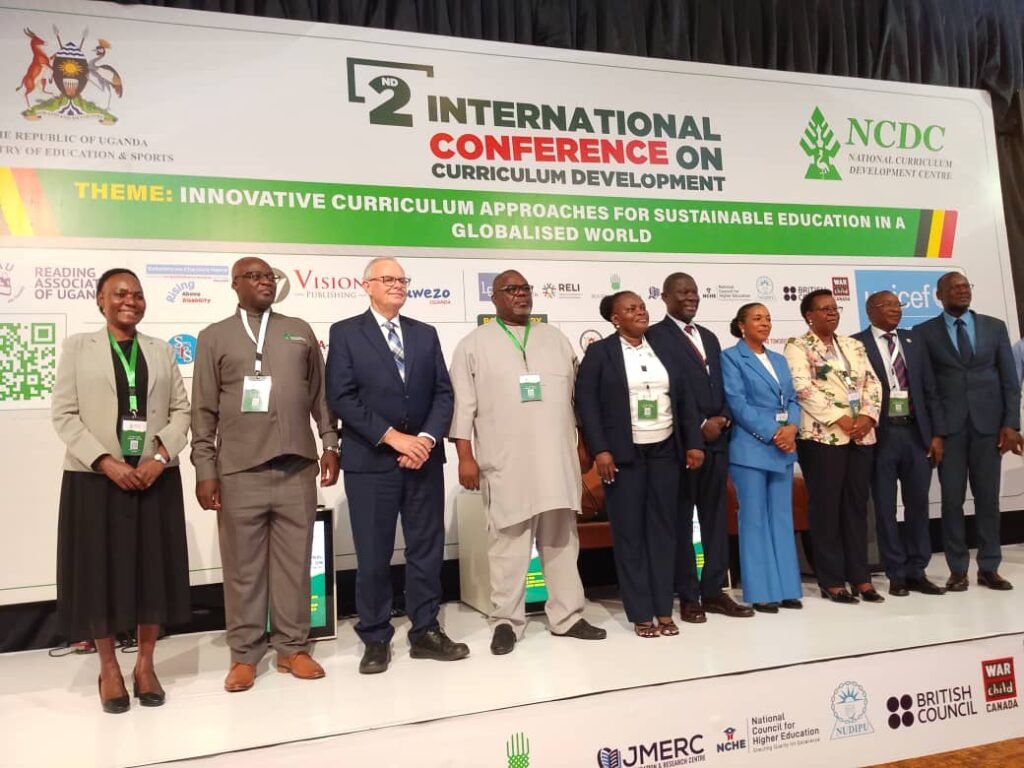
This was revealed during a two days International curriculum development conference held at Speke Resort Munyonyo, in Kampala from 20-21 August 2026, attracting participants from the National Curriculum Development Centre Uganda (NCDC Uganda), Makerere University, Kyambogo University, Mid Sweden University and Stellenbosch University, South Africa.
Also present at the conference were education stakeholder International and National Governmental and Non -Governmental Organizations such as; Private Sector Foundation Uganda (PSF-U), Echoes of Grace, JMERC Uganda, Mamita Foundation Uganda, Uganda National Council for Higher Education (NCHE), AVSI Foundation, UNICEF, Uganda National Institute for Teacher Education , Uganda National Examination Board (UNEB), RELI and National Planning Authority (NPA) among others.
Dr. Ruth Biyinzika Musoke, the Project Director, Private Sector Foundation Uganda (PSF-U), during a panel discussion said teaching of old syllabus at both lower and higher institutions of learning is a disadvantage because of the changing technology trends in the job market.
Dr. Biyinnzika recommended that members of the private sector, who are employers of school and university leavers should be brought on board while formulating school and tertiary institutions syllabuses or learning modules.
“Career guidance in schools is still a challenge because teachers guide students on what they (teachers) don’t know”, she said.
She said there is need for schools and tertiary institutions to plan in advance, the needs of employers to avoid the danger of producing graduates who end up finding no employment in the job market.
In a separate interview with Journalists, Dr. Benson Banda, the Director, National Science Centre, Zambia, who made a keynote address at the conference, said curriculum should be at concept level rather than at content level.
“The smart phones we carry along with us is an innovation of other people in Europe, Asia and the US, yet we have abundant copper and other minerals from which these phones are made in Africa”
“We have transmitters of technology rather than creators of technology”, he said, adding that there is need for African scholars to move with technology advancement to realize speedy socio-economic development.
The NCDC Chairperson Governing Council, Prof. George Ladaah Openjuru, who is also the Vice Chancellor, Gulu University, said NCDC aligns it’s mandate with objective Two of the Fourth National Development Plan (NDP IV) which aims to: “Enhance Human Capital Development along the entire life cycle”.
“That’s why the Centre has introduced a number of curriculum reforms in our school system in the recent past”, he said.
He said the conference presents an invaluable opportunity to learn from global perspectives, which will in turn inform their national education strategies and contribute to the development of a skilled, productive workforce.
In her concluding remarks, Dr. Kedrace Turyagyenda, the Permanent Secretary in the Ministry of Education and Sports, who represented the Acting Minister of Education, Hon. Dr. John Chrysestom Muyingo, said there are a number of global challenges which the education sector needs to address.
“These include; increased globalization and diversity, interconnected populations, migration,international competition, climate change, political challenges and rapid technological changes among others”, she said.
She said; there is need to emphasize thinking skills, digital and AI literacy, citizenship and ethics, civic understanding, financial and mental health literacy as well as human skills such as collaboration,emotional intelligence, adaptability and learning how to learn, which cannot easily be automated.
The conference ran under the theme: “Innovative Curriculum Approaches for Sustainable Education in a Globalised World”